
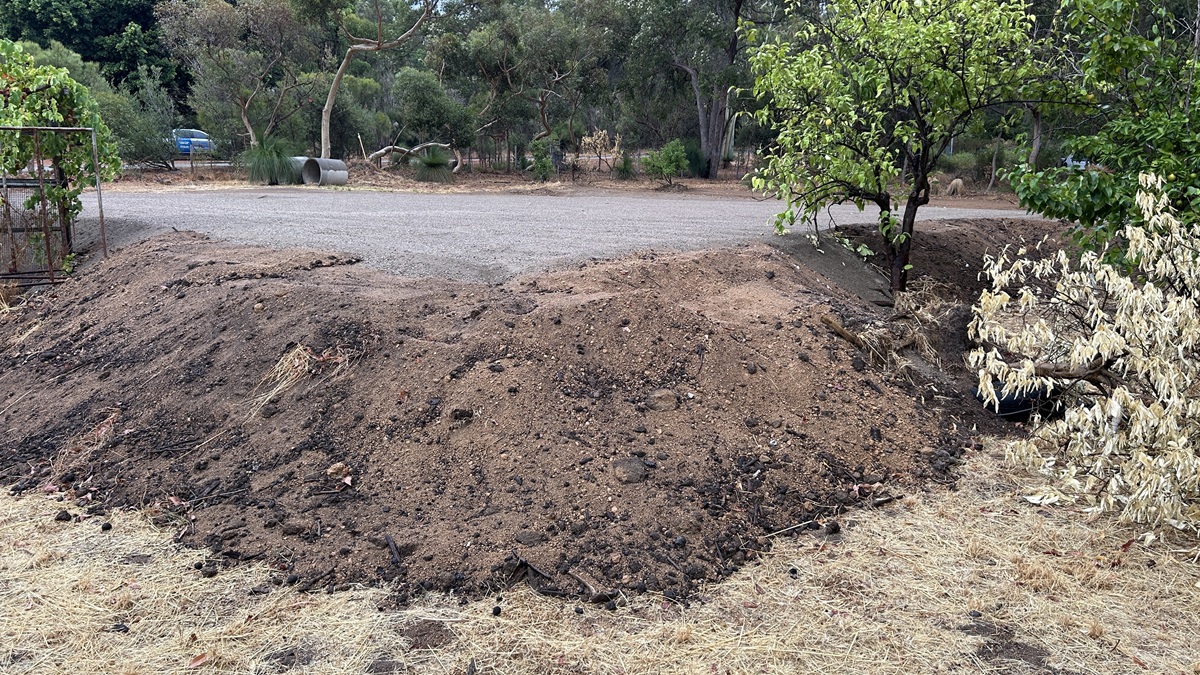
Earthworks are the first major stage of a build. It’s the work that prepares the land and gets it ready so that foundations, slabs and external areas can be built properly. It involves excavating, levelling, placing and compacting fill, and setting site levels so the building sits where it should and water drains away from it.
For home buyers and property owners, earthworks are important because they can influence cost and time. Here’s all the information you need to fully understand this stage.
What happens during earthworks?
Earthworks usually start with confirming levels and preparing the site. Machinery then reshapes the ground to match the planned finished levels and the engineering requirements. If fill is needed, it should be placed and compacted in layers to create a stable base, not just spread over the top.
This stage may also include early trenching for stormwater and other underground services. Those trenches need careful backfilling and compaction, because poorly compacted areas can settle later and show up as dips, cracking around paving, or drainage problems.
Cut and fill and your budget
Cut and fill is one of the biggest drivers of earthworks cost.
Cut means excavating soil from higher parts of the site to reduce levels.
Fill means adding soil to build lower parts of the site up to the required level.
If your project needs a lot of cut or fill, costs can rise quickly. The reason is not because the builder is trying to make more money, but because there are lots of moving parts, such as:
- Trucks to remove excess soil or bring in clean fill
- Tipping/disposal fees if soil needs to be taken off site
- Supply costs for imported fill material
- Extra machine time for excavation, compaction, trimming, and clean-up
- Access constraints, especially on tight infill sites, which can mean smaller equipment and more loads
- Retaining and drainage requirements if levels need to be held back or water needs to be managed differently
Soil type and compaction
Earthworks aren’t just about making the site look neat, they’re about stability. Different soils behave differently, and some require more preparation than others to create a reliable building platform.
Compaction is what turns loose soil or placed fill into a stable base. If compaction is rushed or inconsistent, the ground can settle later. That settlement often shows up around external paving and paths, but it can also contribute to drainage issues and ongoing maintenance.
Why earthworks sometimes change once work begins
Even with planning, the site can reveal surprises after excavation starts. Common examples include rock, buried rubble, soft spots, unexpected groundwater, or the need for additional drainage. Sloping sites can also trigger retaining solutions that weren’t obvious before levels were set.
This is one reason the early stages can feel slow from a client perspective. The platform needs to be perfect before anything can be built on it.
What to ask before you sign
A short, direct conversation upfront can prevent confusion later. Clients often ask:
- What’s included in the earthworks allowance and what’s not
- What assumptions were made about cut, fill and soil removal?
- If unsuitable material is found, how is it handled and costed?
- How will drainage be set up so water runs away from the building?
Final word
Earthworks is a critical stage to any build. If done properly, the slab stage is cleaner, drainage works as intended, and the rest of the build has fewer issues or delays.
You can get in touch with IQ Construction to discuss your plans, what earthworks may involve and how your project will be managed from the start to finish.
Call us on (08) 9399 6715.