
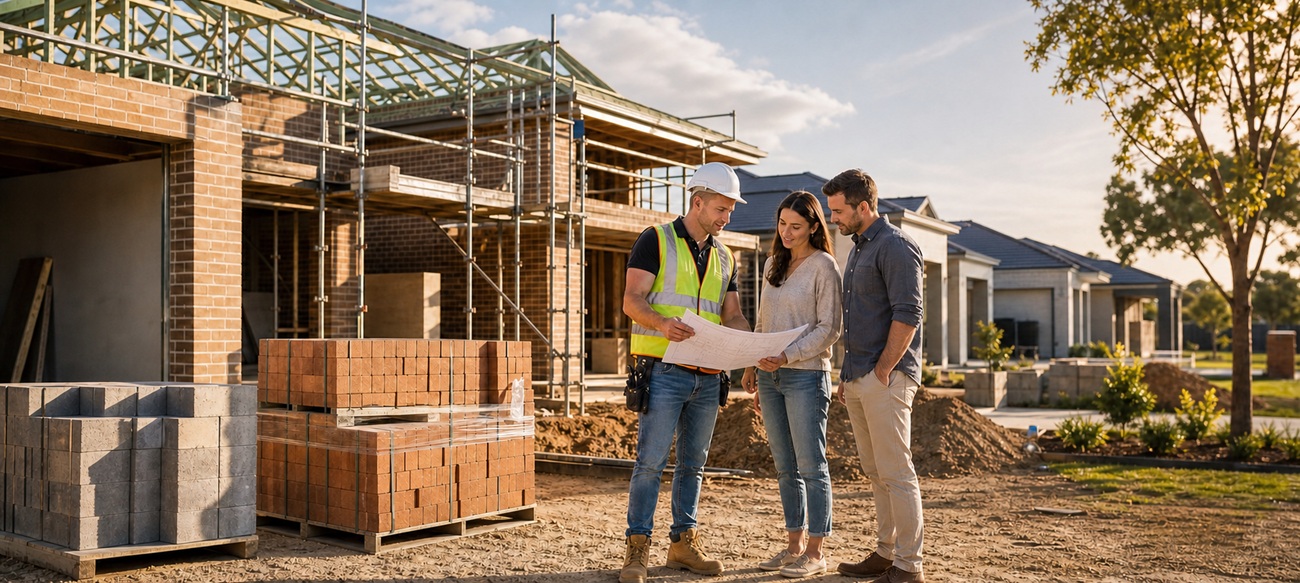
If you are building a home in Western Australia, you have probably heard about the brick shortage in the news. It could affect your building timeline, brick choices and costs. The State Government has also warned about wider shortages of building materials and skilled workers in its article on home building challenges.
This shortage is more than a manufacturing issue. It can delay a home reaching handover, limit the availability of brick styles, and make construction schedules less predictable. Because WA’s construction market is already under pressure from strong housing demand and supply constraints, any additional material bottleneck can have a wider effect.
If you plan to build a new home or start a new commercial project, here’s what you need to know.
Why bricks matter more in WA than in many other states
WA is more exposed to brick supply issues than many other parts of Australia because double brick housing remains far more common here. ABC reported in June 2026 that double brick still dominates Perth homes. As a result, this can slow construction because it generally requires more materials, more labour, and more time on site compared to framed alternatives.
That does not mean double brick is the wrong choice. Instead, when brick supply tightens, WA home building feels the impact more directly than others markets that rely more heavily on timber frame or brick veneer systems. Brick shortages in WA can become a real build-programme issue rather than just a supplier issue.
How a brick shortage can delay your build
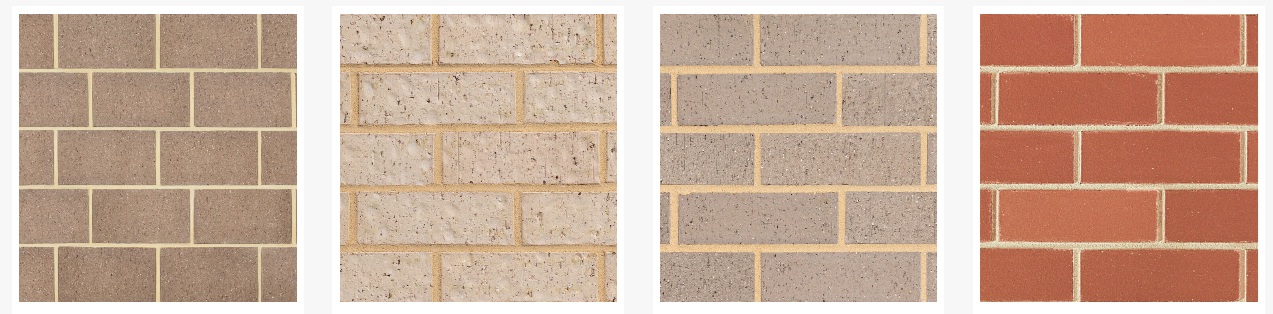
A brick shortage may not stop your build straight away. Instead, it can delay parts of the work and make the schedule harder to manage.
If bricks are unavailable when the walling stage is scheduled to begin, the delay can flow through to other trades and extend to the overall construction programme. Some have reported waiting periods of two to five months for certain face bricks.
The issue is not simply whether bricks exist in the market, but whether the selected brick can be supplied within the required build window, according to Brent Muilenburg, IQ Construction’s Contracts Manager.
 The issue is not simply whether bricks exist in the market, but whether the selected brick can be supplied within the required build window, according to Brent Muilenburg, IQ Construction’s Contracts Manager.
All Midland Brick products are still available, however supply is being affected by annual allocation limits and lead times that vary depending on the specific brick selected and the volume required.
In practical terms, a client may choose a brick that is still part of the supplier’s range, but availability and timing can still become a build-programme issue. Midland Brick also notes that some clay brick products are currently on backorder and recommends checking stock availability directly.
For example, if walling is delayed, roofing, electrical and internal trades might also have to start later. The final completion date can then move even if the later stages run as planned.
This is why brick selection now needs to be treated as an early procurement decision rather than a purely aesthetic one. It is no longer enough to ask which brick looks best on paper. Clients also need to ask whether that brick can realistically be secured in line with the construction schedule.
In summary, the brick shortage can affect:
- how quickly work progresses once slab and early structural stages are complete
- whether a preferred brick selection is still readily available
- certainty around delivery timing
- whether alternative materials or specifications may need to be discussed
It’s part of a wider construction problem
Brick shortages are one part of a broader challenge affecting WA’s housing and construction sector. Other areas of concern include labour constraints, infrastructure pressure, and strong demand for new homes.
The WA Government has acknowledged that home building in the State is being affected by shortages of construction materials and skilled workers. At the same time, the 2026 to 2027 WA Budget reported that building approvals reached 25,050 homes over the year to February 2026, while the ABC noted that WA’s annual home building rate had roughly doubled from 2020 levels over five years.
Other building methods to consider
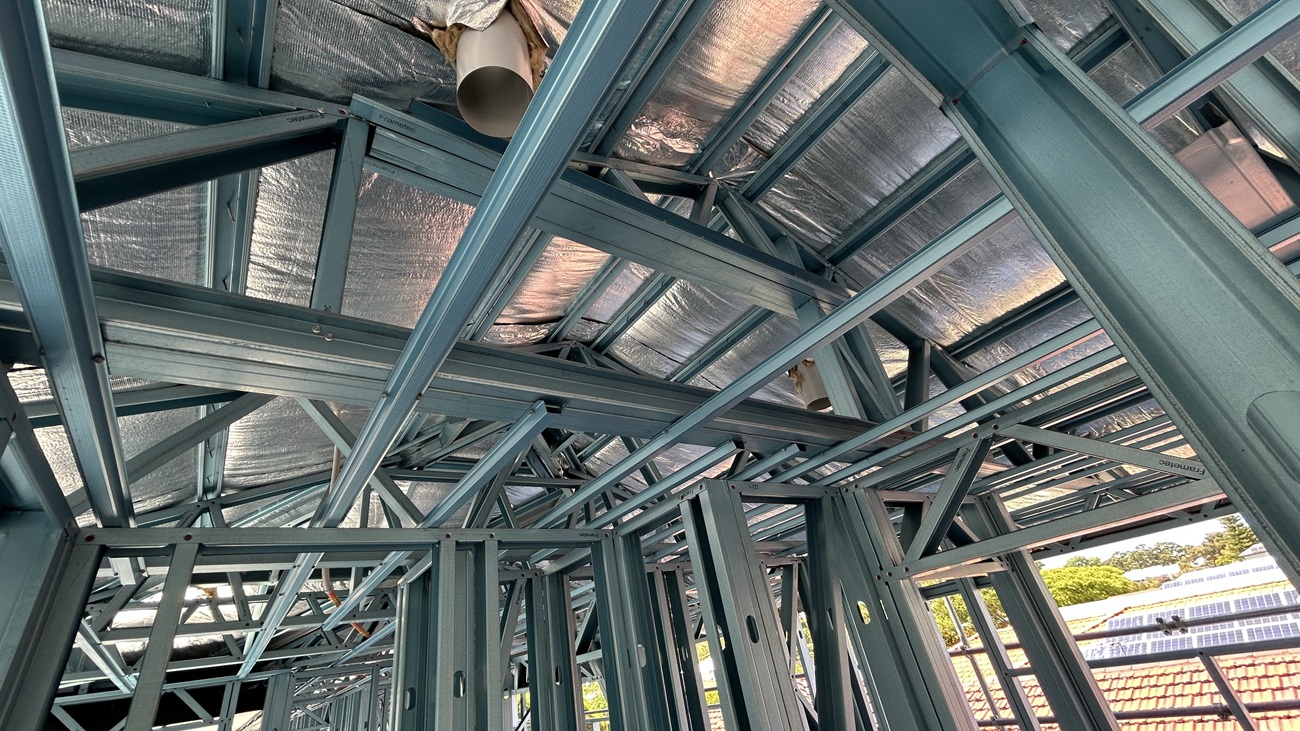
When brick supply tightens, the conversation quickly moves beyond face brick selection and into alternative construction methods altogether. At the moment, one of the most practical responses in WA is to reduce dependence on full brick walling and consider brick veneer or framed construction instead.

This is an issue for the next 12 months at a minimum. Clients need to switch to brick veneer immediately, or to a full stud-framed home. That does not mean every project will move to the same system, but it does mean clients may need to be more flexible than they would have been in the past. according to Dwayne Ballast, IQ Construction’s General Manager.
For many new projects, the realistic alternatives are:
- brick veneer, where brick remains part of the external appearance but the internal structural walling relies on framing rather than double brick construction
- steel stud framing, which can reduce reliance on brick supply and may assist with programme certainty
- timber stud framing, which remains another viable framed solution depending on the design, engineering and builder preference
- rendered finishes and other façade treatments, particularly where face brick options are more limited than clients expect
This is also where the detail matters. The market is not simply dealing with “no bricks available” across the board. Instead, there may be only a narrower range of workable face brick options at any given time, with different supply conditions from one product line to another.
That makes alternative wall systems more relevant, because they can reduce the project’s exposure to one material bottleneck rather than just substitute one brick colour for another.
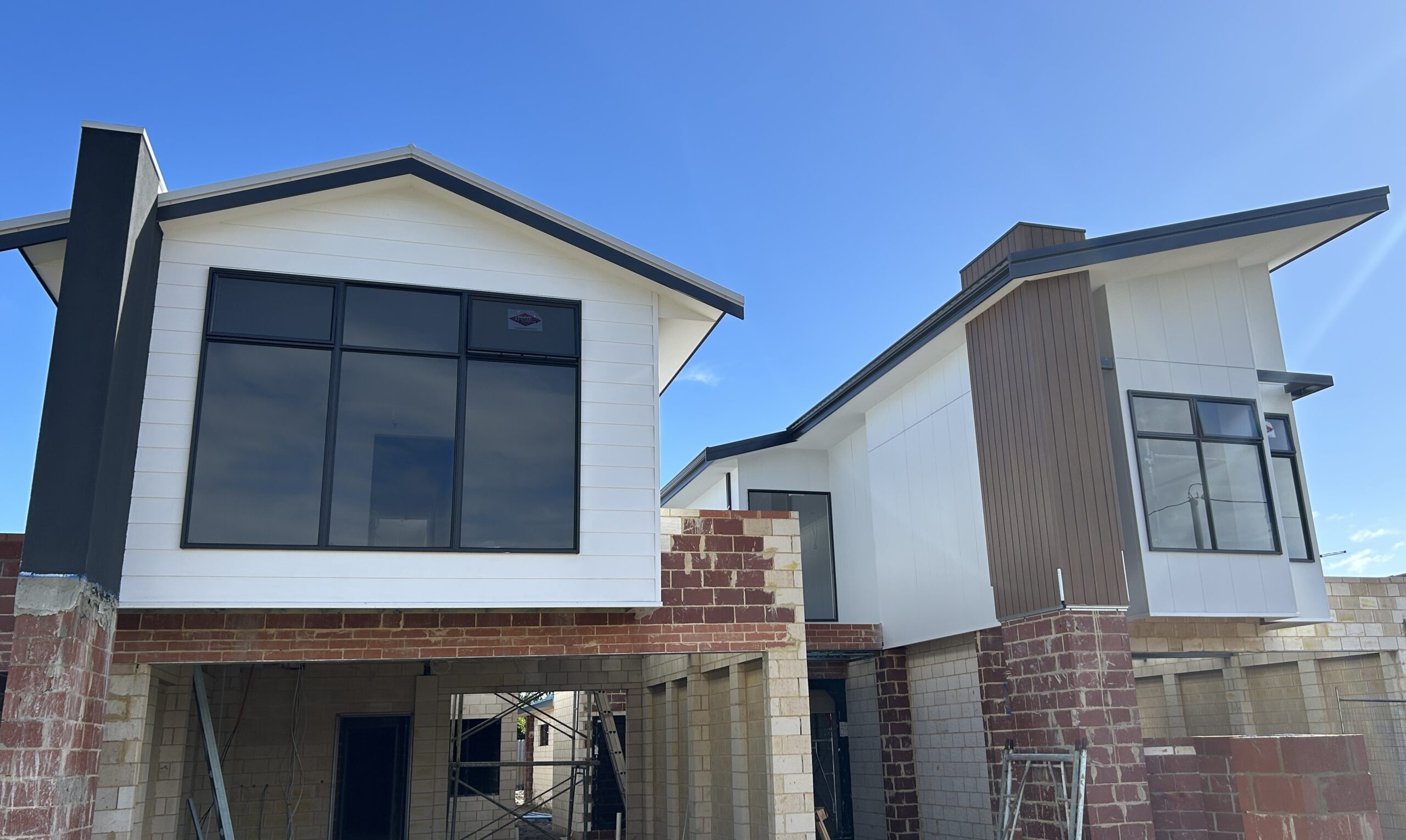
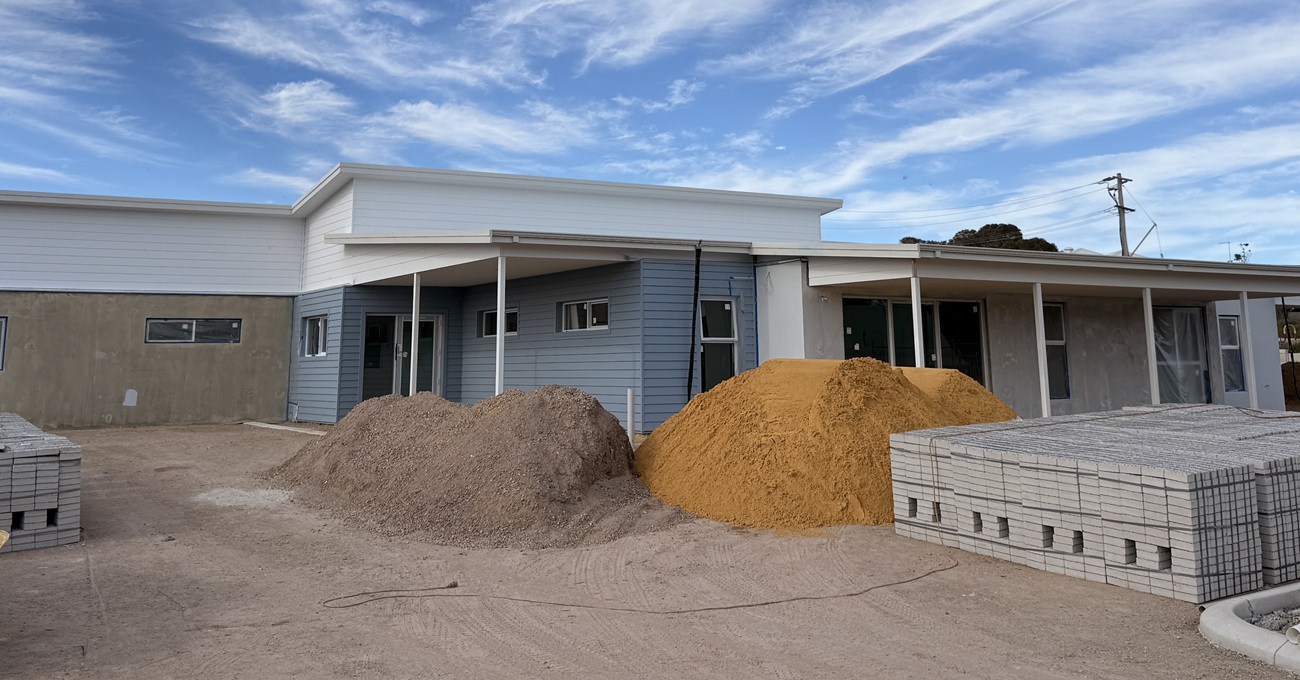
There is also a design implication. Framed construction does not automatically mean a compromise in presentation or quality. We’ve already seen this in practice on various past project, such as the one showed above.
The best option depends on the home’s design, engineering, approvals, budget, builder capability and the owner’s priorities. But in the current market, these methods are no longer fringe alternatives. They are increasingly becoming part of the mainstream discussion for clients who want to keep their project moving.
What could the industry look like in the next 12 to 24 months?
One of the bigger questions for builders and clients is whether this shortage is temporary disruption or the start of a broader shift in how homes are built in WA.
At IQ Construction, we believe the market is likely to keep changing over the next one to two years. The brick shortage will remain an issue for the next 12 months at a minimum. It is not something most builders expect to disappear overnight.
If supply pressure continues, WA could move further away from its long-standing reliance on full double brick construction and more firmly toward framed homes with brick used more selectively. That may mean brick veneer becomes more common, while steel stud and timber-framed systems become a more normal part of residential construction rather than an exception to it.
Over a 24-month view, brick may increasingly become a feature material rather than the default structural walling choice for every new home. Some projects will still use brick heavily, but others may use it more strategically on façades, feature elements or selected external finishes while relying on framing systems for the broader structure.
That kind of shift would not just change materials. It would also affect design decisions, pricing expectations, construction sequencing and the conversations builders need to have with clients at the very start of a project.
Update (29 Sept 2026): More brick supply may be coming, but not straight away
There is now some positive movement on the supply side as reported by WA Today. Brickworks is preparing to bring its Austral Bricks facility at Cardup back into operation with support from the WA Government. If the restart goes ahead as planned, it could increase local brick production by 10 to 15 per cent.
That is an important development, but it does not solve the immediate problem for people building now. Production is expected to resume around March 2027, which means builders and clients may still face delays and limited availability in the months before that extra supply reaches the market.
The announcement still matters because it shows the industry is looking for practical ways to lift capacity rather than simply manage the shortage. Even so, the broader issue remains the same. WA still relies heavily on double brick construction, and extra output from one reopened plant is unlikely to remove all supply pressure.
Conclusion
The brick shortage in WA matters because it can directly affect how long a home takes to build and how much certainty there is around material supply. Before finalising your selections, ask your builder whether supply has been secured and what alternatives are available if lead times change.
It’ is worth asking a few direct questions early:
- Has brick supply been secured for my project?
- Are the selected brick types currently available within the expected timeframe?
- Could supply pressure affect the construction programme?
- Are there suitable alternatives if availability changes?
- How will any material delay affect the next stages of the build?
At IQ Construction, we help clients understand these issues early so that material availability, programme risk and design choices can be discussed before construction progresses too far. We also have first-hand visibility across the wider challenges the industry is facing through practical involvement in home building, steel framing and project delivery, which helps us assess workable alternatives rather than treating the current shortage as a one-dimensional supply issue.
Contact us today for a free consultation today – (08) 9399 6715.