
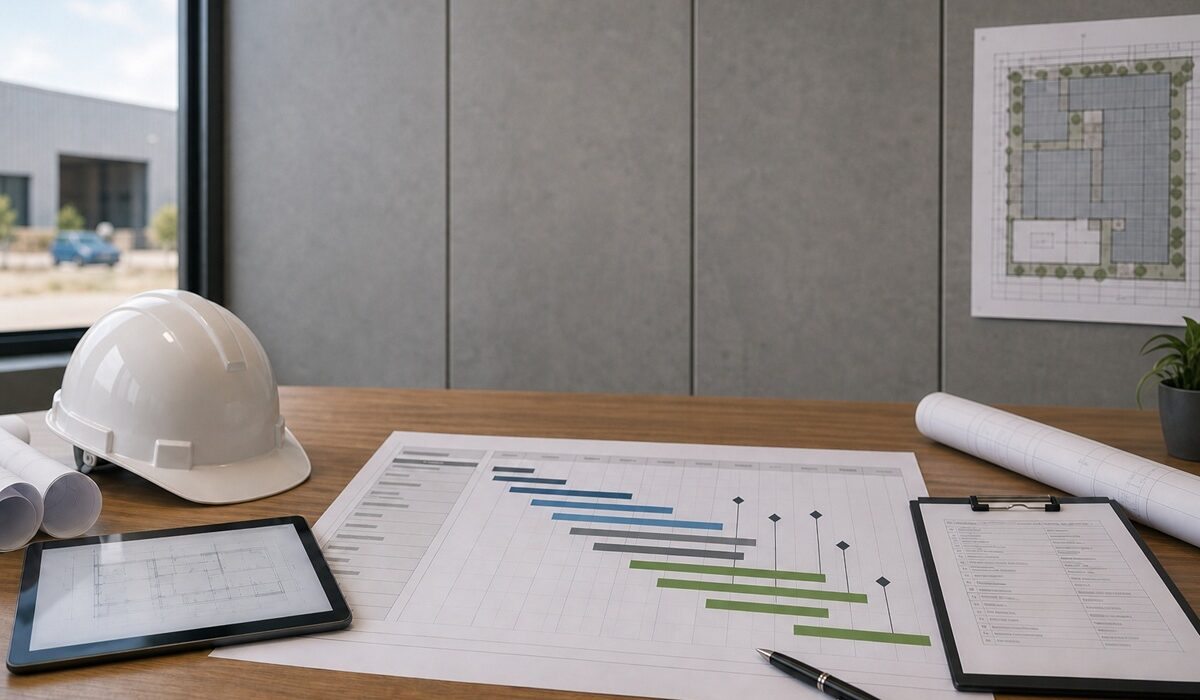
Commercial construction timelines are affected by much more than the size of the building or the number of people on site. A project can look simple at the concept stage, but once design coordination, site conditions, procurement, and construction sequencing are fully understood, the actual timeframe can shift significantly. Here are some common reasons for delays.
Design and documentation
One of the biggest influences on a timeline is how complete and coordinated the design is before work starts. If drawings are still changing, consultant information is incomplete, or key details have not been resolved, the project will slow down before it even gets underway.
Commercial projects rely on multiple layers of documentation, including architecture, structure, services, fire requirements, and compliance information. If those elements are not aligned, delays can flow into pricing, procurement, and site delivery.
Site conditions
The site itself can have a major effect on timing. Ground conditions, drainage, access, neighbouring properties, retaining walls, demolition requirements, and existing services all play an important role. A clear and accessible site is generally easier than a tight urban site, an occupied tenancy, or a property with hidden constraints.
Procurement and lead times
Materials and equipment can affect timelines just as much as labour. Structural steel, mechanical equipment, custom joinery, imported finishes, and other specialised items often have long lead times. If they are not identified early, they can delay multiple stages of the build.
This is especially important in commercial projects where several trades depend on one key item being delivered before they can proceed. Good procurement planning helps reduce that risk, but where lead times are missed, the programme can shift quickly.
Client changes and late decisions
Changes during construction are one of the most common reasons a project takes longer than expected. A revised layout, upgraded finish, changed service requirement, or late selection can affect drawings, approvals, procurement, and trade sequencing.
Even when a change seems minor, it can still have an effect.
Trade coordination
Commercial construction depends on multiple trades working in the right order and at the right time. If one stage falls behind, the next trade may not be able to start, and that delay can continue through the rest of the programme.
This is where sequencing becomes critical. Some activities can overlap, but many cannot. A realistic construction timeline needs to reflect the actual order of works rather than assume delays can simply be recovered later.
Labour availability
Timeline pressure can also come from labour availability and subcontractor capacity. When skilled trades are in high demand, it can be harder to lock in preferred teams at the exact time they are needed. This can affect start dates, sequencing, and the ability to recover lost time later in the job.
Weather and external factors
Weather can affect excavation, concrete work, external cladding, deliveries, and general site access.
Conclusion
Commercial construction timelines are shaped by what happens before site work starts just as much as by what happens during the build itself.
When a commercial project runs longer than expected, the cause is usually not one thing but a combination of incomplete documentation, site constraints, delayed decisions, procurement issues, trade coordination challenges, and changes during the build.
If you are planning a commercial project in Perth, IQ Construction can help identify the factors likely to affect timing early, so the programme is more realistic from the outset and better managed through construction.