
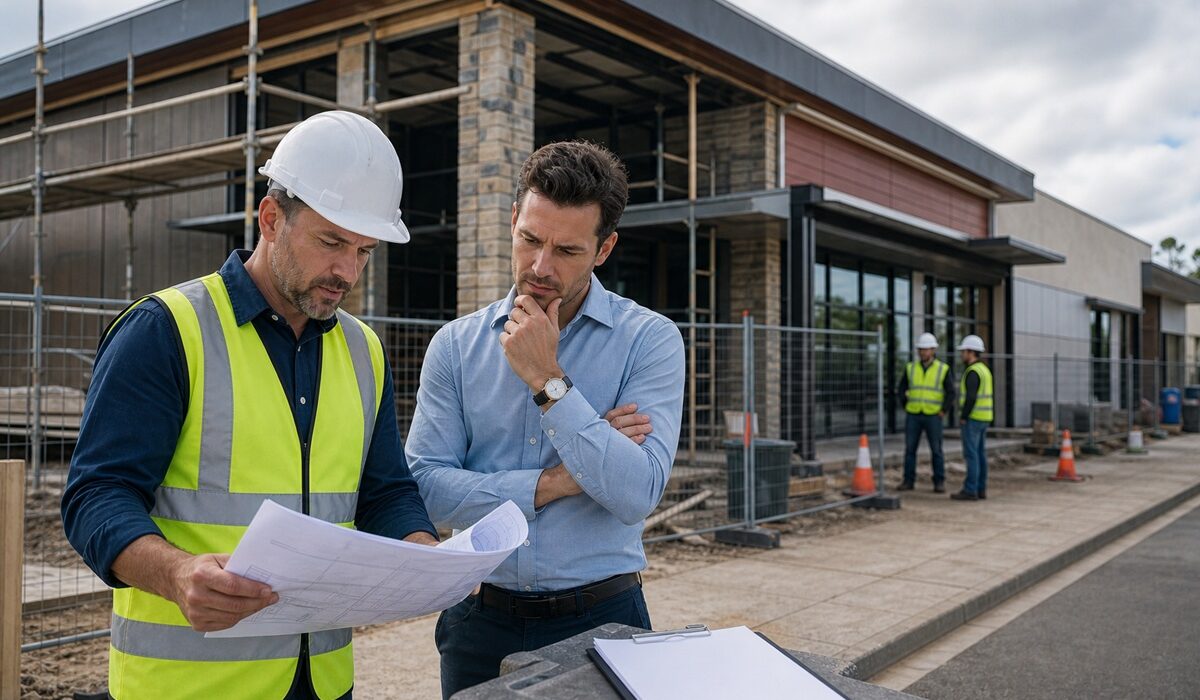
If you are building a home, planning a renovation, or delivering a commercial project, one of the easiest assumptions to make is that paperwork can be sorted out once work is underway. In practice, that can create a much bigger problem than many people expect.
Across Australia, building approvals are handled under state and local rules, so the exact process varies depending on where the project is located. In Western Australia, the rule is clear: building work must not start without the required permit unless the work is exempt. Under section 9 of the Building Act 2011 (WA), a person must not do building work unless a building permit is in effect, or the work falls within an exemption. The same principle applies to demolition work under section 10. (legislation.wa.gov.au)
If work begins before the permit is granted, the issue is not just administrative. In WA, it is treated as unauthorised work.
What counts as starting work without a permit?
This is when work that required approval was commenced before the required building permit or demolition permit was in place.
That can include:
- starting a new build before approval is issued,
- beginning renovation, alteration, or extension work that required approval,
- commencing demolition before a demolition permit is granted,
- carrying out commercial fitout or change-related works that should have gone through the permit process first.
What happens if work starts without a permit?
The first consequence is that the work may be treated as unauthorised by the permit authority. That does not automatically mean the project is over, but it does mean the job is no longer proceeding through the normal approval pathway.
In WA, local governments explain that unauthorised work may need to go through a retrospective approval process, but that process is not intended to replace the normal requirement for a permit.
From a practical point of view, starting without a permit can lead to:
- delays while the approval position is sorted out,
- extra consultant and certification costs,
- additional documentation requirements,
- possible inspections or compliance checks after the fact,
- if the work does not comply, a requirement to alter or remove what has already been built.
That is why a permit issue can become much more expensive than “just getting the paperwork done later.”
What is the penalty for working without a permit in WA?
This is the part many people do not realise.
Under section 9 of the Building Act 2011 (WA), the penalty for carrying out building work without the required building permit is:
- $50,000 for a first offence
- $75,000 for a second offence
- $100,000 and up to 12 months’ imprisonment for a third or subsequent offence.
The demolition provision is the same. Under section 10, carrying out demolition work without the required demolition permit carries the same escalating penalties:
- $50,000 for a first offence
- $75,000 for a second offence
- $100,000 and up to 12 months’ imprisonment for a third or subsequent offence.
So, in WA, this is not a minor technicality. It is an offence under the legislation.
Can work be approved after the fact?
Sometimes, yes, but that should not be confused with a normal permit process.
WA councils explain that unauthorised work may be able to go through retrospective approval, but only if the building or work can be shown to comply with the applicable standards. For commercial Class 2–9 buildings, retrospective approval is generally dealt with through an occupancy permit, while residential Class 1 and 10 structures may use a building approval certificate pathway.
The important point is that retrospective approval is not guaranteed. If the work does not comply with the National Construction Code, relevant standards, or other applicable requirements, the owner may be required to complete further work, modify the structure, or remove it altogether.
While retrospective approval can sometimes resolve the issue, it is not a simple “catch-up” process.
Does this apply only to new buildings?
No. This is one of the most important things for owners and clients to understand. The issue is not limited to new buildings.
It can also affect:
- home additions and alterations,
- structural renovations,
- commercial fitouts,
- refurbishments,
- extensions,
- demolition work,
- changes that should have gone through approval before the work began.
Conclusion
If you are building through a construction company, you are usually relying on the builder and consultant team to help manage approvals. That does not mean permit issues are irrelevant to you. It means you should understand enough to ask the right questions.
For a homeowner, this is about confidence that the project is being handled properly. For a commercial client, it is also about avoiding delays, extra compliance costs, and approval problems later in the project.
The most useful takeaway is simple: do not assume that “the application is underway” means work can start. In WA, the permit needs to be in effect unless the work is exempt.
Starting work without a permit can create more than just a paperwork problem. In WA, it can mean the work is treated as unauthorised, trigger extra compliance steps, create delays and additional costs, and expose those responsible to significant penalties under the Building Act 2011.
If you are planning a residential or commercial project in Western Australia, IQ Construction can help you understand which approvals are likely to apply before work starts and how those approvals fit into the overall timeline.